
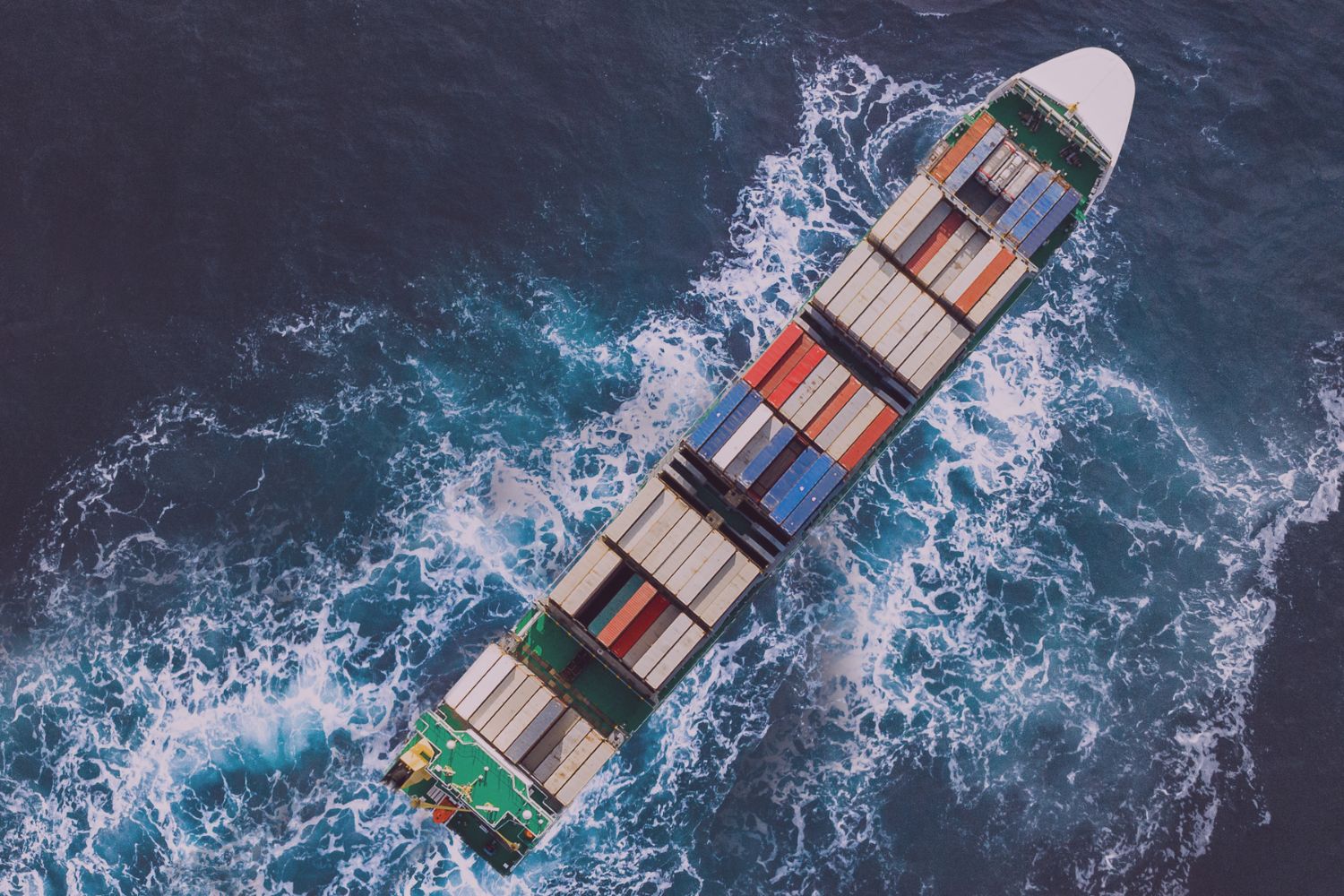
If you are relocating to Europe from Asia in the coming months, you should be aware of the challenges that the shipping industry is currently navigating. A combination of geopolitics, economic bounce back and logistical difficulties is resulting in a complex situation contributing to rising costs. The resulting turmoil is reminiscent of the situation at the peak of the Covid-19 pandemic. Here’s an overview of what’s driving these increases and how your shipping plans might be impacted.
The Surge in Freight Rates
Freight rates on the Asia to Europe route have escalated dramatically, reaching levels not seen since the height of the pandemic. The surge is a result of a combination of high demand, limited capacity and logistical challenges. It is putting significant pressure on those shipping goods and belongings across continents, especially from Asia to Europe and the US. Forecasts are predicting that the challenges will not be easing in the immediate future.
Factors Behind the Rate Hike
There are several key factors contributing to the increase in freight rates:
Geopolitical Tensions in the Red Sea
In January, we reported on the impact of attacks from Houthi rebels in the Red Sea and the resulting increases in freight rates between Europe and Asia. Tension in the area is still ongoing, with many shipping companies continuing to divert vessels away from the Suez Canal. The diversion around the Cape of Good Hope adds an extra 10 days to the journey and can also increase fuel consumption by up to 40%. Inevitably, this longer journey is contributing to increasing costs.
High Demand and Limited Capacity
Additionally, post-Covid economic recovery is leading to an increase in consumer demand in Europe. This demand is subsequently translating into higher shipping volumes from Asia. Shippers are now competing for the remaining limited space on vessels and carriers are struggling to meet the high demand for shipping space.
Port Congestion and Delays
Port congestion is another significant issue. Major ports are experiencing severe backlogs, with ships waiting longer to dock and unload their cargo. This congestion is exacerbated by labour shortages and the increased volume of goods moving through the supply chain. As a result, shipping schedules are being disrupted, and the cost of shipping has soared.
Implications for Shippers
Currently, these issues relate predominantly to routes from Asia to Europe and the US. However, there is a chance that the ripples may be felt across other routes in the months to come. Increased rates means the overall cost of shipping for both individuals and businesses will be higher. With rates changing so quickly, relocators should be aware that the actual cost of a shipment may differ considerably to the original quote. Shipping times will also be increased, meaning you may face delays in receiving your shipments if these are not being coordinated with other elements of your relocation.
We’re Here to Help
Our Icon Move staff are highly knowledgeable and experienced in dealing with the ever-changing market conditions. The Icon Move and Icon Relo teams work closely together to ensure our assignees’ journey is seamless and coordinated throughout. We will work to minimise any disruption. However, if you are affected by these conditions, our teams will communicate with you what you should expect and any updates you need to know about.
To find out more about Icon’s award-winning global relocation and household goods services, contact us.